
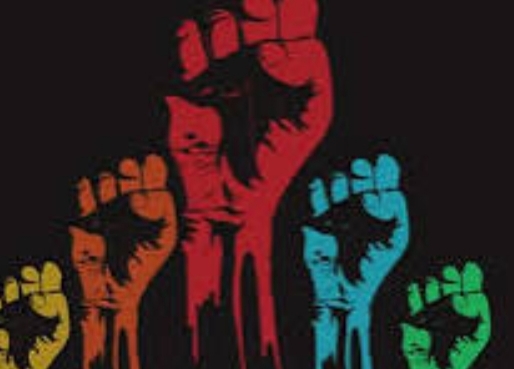
Staff Reporter : Today, 10 December, marks the International Human Rights Day. This year’s theme is “Human Rights: Our Everyday Essentials.” Legal identity is one of the most fundamental pillars of human rights protection and it can only be ensured through universal birth and death registration. Individuals without registration remain invisible to the state and face heightened risks in accessing basic services.
At present, Bangladesh’s average birth registration rate stands at only 50 percent, indicating that nearly half of the population still struggles to access fundamental rights such as education and healthcare due to the absence of legal identity. Lack of registration worsens various human rights violations in the country, including child labor, child marriage, and human trafficking. Similarly, the absence of death registration creates major complications in establishing inheritance rights and escalates the risk of property disputes among family members. Currently, more than half of all deaths in the country remain unregistered, with particularly low registration rates in rural areas, riverine islands (chars), hill tracts, and urban slums.
Experts emphasize that amending the Birth and Death Registration Act, 2004 to shift registration responsibility from families to all health facilities would allow approximately 67 percent of births occurring in healthcare institutions to be automatically registered. Such a reform would significantly accelerate the achievement of the CRVS Decade target of universal registration and SDG 16.9, which aims to provide legal identity for all.
In a statement issued on the occasion of International Human Rights Day 2025, ABM Zubair, Executive Director of research and advocacy organization PROGGA (Knowledge for Progress), expressed, “Violations of human rights begin with the absence of legal identity. The registration process must be made more citizen-friendly through legal reform, so that no one remains without identity and everyone can equally enjoy fundamental rights, including education, healthcare, legal protection, and social safety net programs.”