
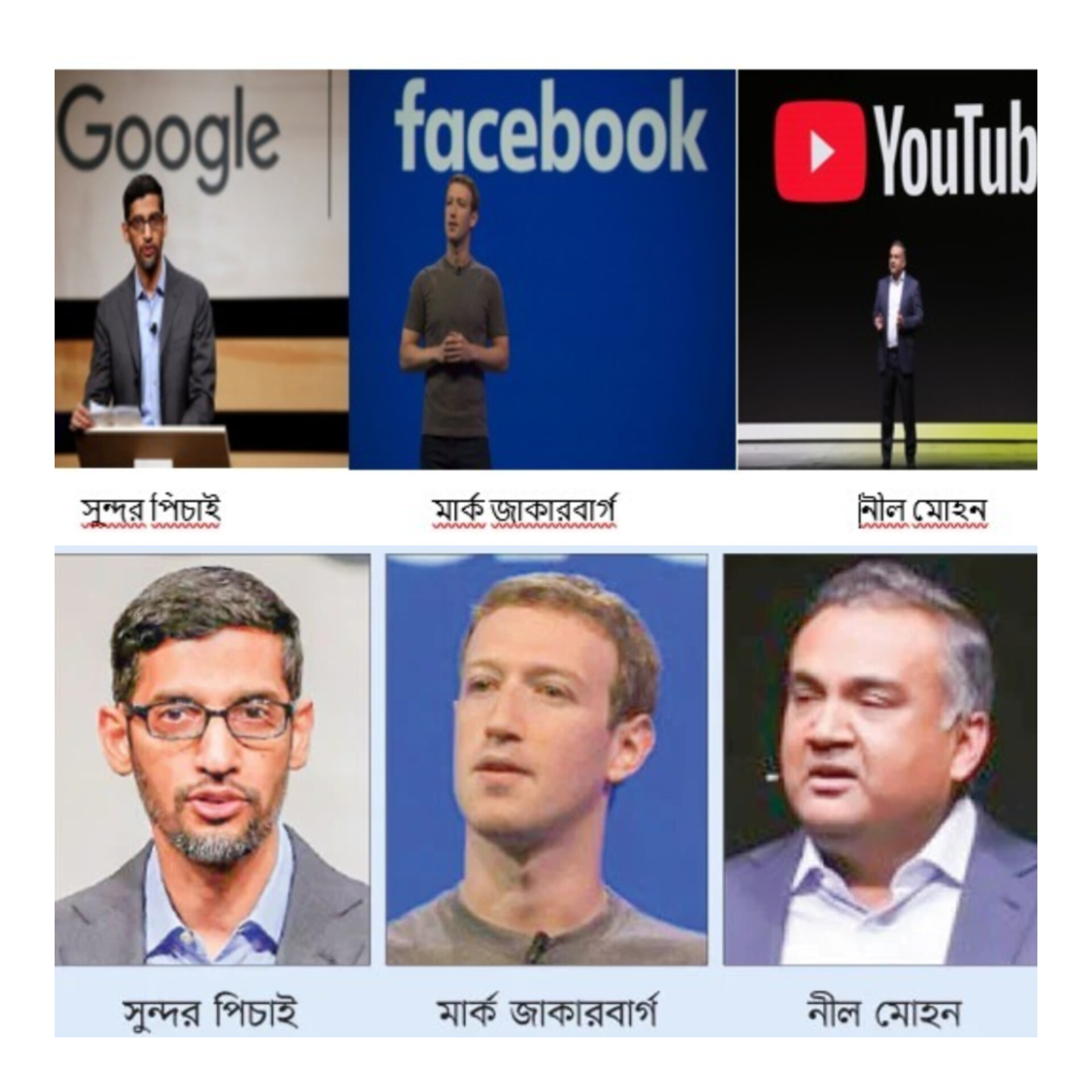
Audite Karim : A Director General (DG) post became vacant in a government agency. The individual who was the most qualified, senior, and honest was almost certain to be promoted. However, on the very day his promotion order was to be issued, an expatriate YouTuber posted content against him. It went viral instantly. The content had no evidence or facts – just verbal abuse. Allegations were made against him that were completely baseless.
As soon as that content was aired, his promotion was halted. Despite the YouTuber living abroad, he has a massive viewership in Bangladesh. The higher authorities became terrified. They feared that if they promoted him, they too would be subjected to vulgar attacks. Consequently, he was bypassed, and a corrupt official was given the responsibility of Director General.
The victimised official tried to take legal action against the YouTube content, but the court refused to even accept his case. To understand why, he met with the judge, who happened to be an old acquaintance. Inviting him into his chambers for tea, the judge said, “These people are extremely dangerous. If we take a case against them, they will ruin us too.” Ultimately, the ill-fated official resigned from his job.

A month after leaving his job, he learned that the person who became the DG had “managed” the YouTuber to create that content against him. This single incident illustrates how social media has turned into a monster in Bangladesh. There is no accountability for social media, nor is there any censorship. There are no laws for them. Everyone seems to be held hostage by them.

The question has arisen: have they now become a parallel government? They are influencing various government decisions. Politicians, bureaucrats, police, teachers, and businessmen are all restless in fear of them. In the name of social media, a festival of blackmailing and extortion is underway. They are embarrassing the government by spreading rumors and misinformation, tarnishing the state’s image. These “view-businessmen” first target an individual.
Then they try to establish contact. If successful, they demand a bribe directly. They present deepfake photos or false allegations and demand a large sum of money. If the money is not paid, they threaten to spread these on Facebook and YouTube. Fearing public shame and concern for their reputation, many settle with these “view-merchants” by paying them off.
One such victim is the Managing Director of a private bank. Suddenly, he started receiving photos on WhatsApp. He realised they were deepfakes, but out of shame, he could not send them to his IT department. Eventually, he “managed” the situation with money to avoid public embarrassment.
But not everyone followed the banker’s path. When a judge received such a message, he threatened legal action against the YouTuber. Two days later, misinformation about him began circulating across multiple social media platforms. At that time, the Yunus government was in power. Without verifying the information, the government sent him on indefinite leave. Out of anger and insult, he resigned. Since this incident became public, no judge hears complaints against social media anymore.
As a result, an epidemic of character assassination is sweeping through social media. Extortion is happening however people please. The Yunus government abolished the Digital Security Act but did not enact laws for the cyber protection of citizens. Consequently, all citizens are now outside the protection of the law against cybercrimes, and cybercriminals are becoming unrestrained.
After the July movement, an analysis of 25 such cases showed that every single one was filed based on social media posts. Those whom expatriates accused on Facebook and YouTube were made defendants in these cases. Without investigating whether they were actually involved in the crimes, cases were filed solely based on social media abuse. Currently, in Bangladesh, social media is the law; they are the investigators, and they are the judges.
The Yunus government used to act on their words. Now, there is an elected government in the country. Their source of power is the people, not social media. Therefore, it is high time to rein in this anarchy. Businessmen are panicked, bureaucrats are afraid, and people of all classes and professions are terrified because of social media. They have become an alternative government. Women are being harassed because of them; marriages are breaking due to ugly attacks, and some are even choosing the path of suicide. Social media is now a name of dire terror. We must find liberation from this.
While what is happening in Bangladesh today may not be as severe elsewhere, similar situations existed in other countries. They managed the situation by enacting laws and bringing platforms like Facebook and YouTube under legal jurisdiction. Just recently, a person was arrested in India for harassment on Facebook. Nitara Bhatia, daughter of Bollywood actor Akshay Kumar, was a victim of cyber harassment. A person sent her obscene messages and asked for nude photos while she was playing an online game. Upon learning this, Akshay Kumar approached the Maharashtra Cyber Cell. The police investigated and arrested the accused.
India has taken several steps to bring social media under accountability. They forced social platforms, including Facebook and YouTube, to set up offices in India. They have been brought under Indian law. Consequently, if false, baseless, or fabricated information is published, these institutions are directly ordered to regulate it.
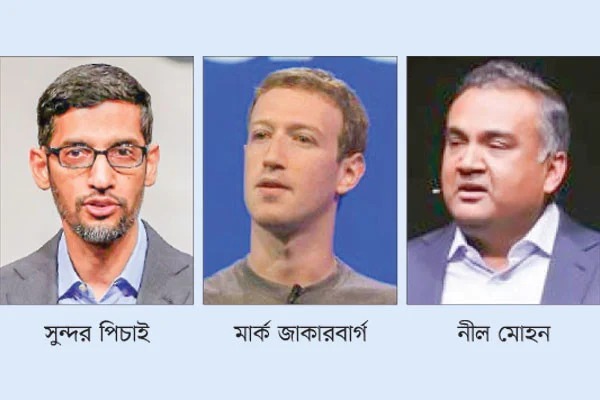
As a result, posts involving harassment or blackmail are swiftly taken down. Social media in India is primarily regulated through legal frameworks and strict government guidelines. This system is designed to prevent fake news and ensure national security and data protection. Through the Information Technology Act, 2000, and the IT Rules, 2021, India has largely succeeded in preventing misinformation, rumors, and violent posts while ensuring freedom of expression.
Many countries have forced Meta and Google to open local branch offices. Ireland’s Data Protection Commission (DPC) fined Meta $263 million (approx Tk3,156 crore). The French government fined Facebook and Google 210 million Euros. Australia enacted strict laws last year against rumors, character assassination, and the spread of hatred on social media.
But social media in Bangladesh is above all laws. There is no one to control them. Meta or Google has no branch office in Bangladesh, yet over 60 million people use Facebook here. According to Meta, Bangladesh ranks 10th in the world for Facebook usage. Yet, countries with far fewer users like Singapore, Ireland, and Israel have Meta offices. Meta earns an average of Tk5,000 crore (approx $416M) annually from Bangladesh.
The government can, if it wishes, compel Meta or Google to set up offices here. Simultaneously, it is the government’s responsibility to protect citizens against social media tyranny and character assassination. Otherwise, the abuse of social media will eventually challenge the government itself.