
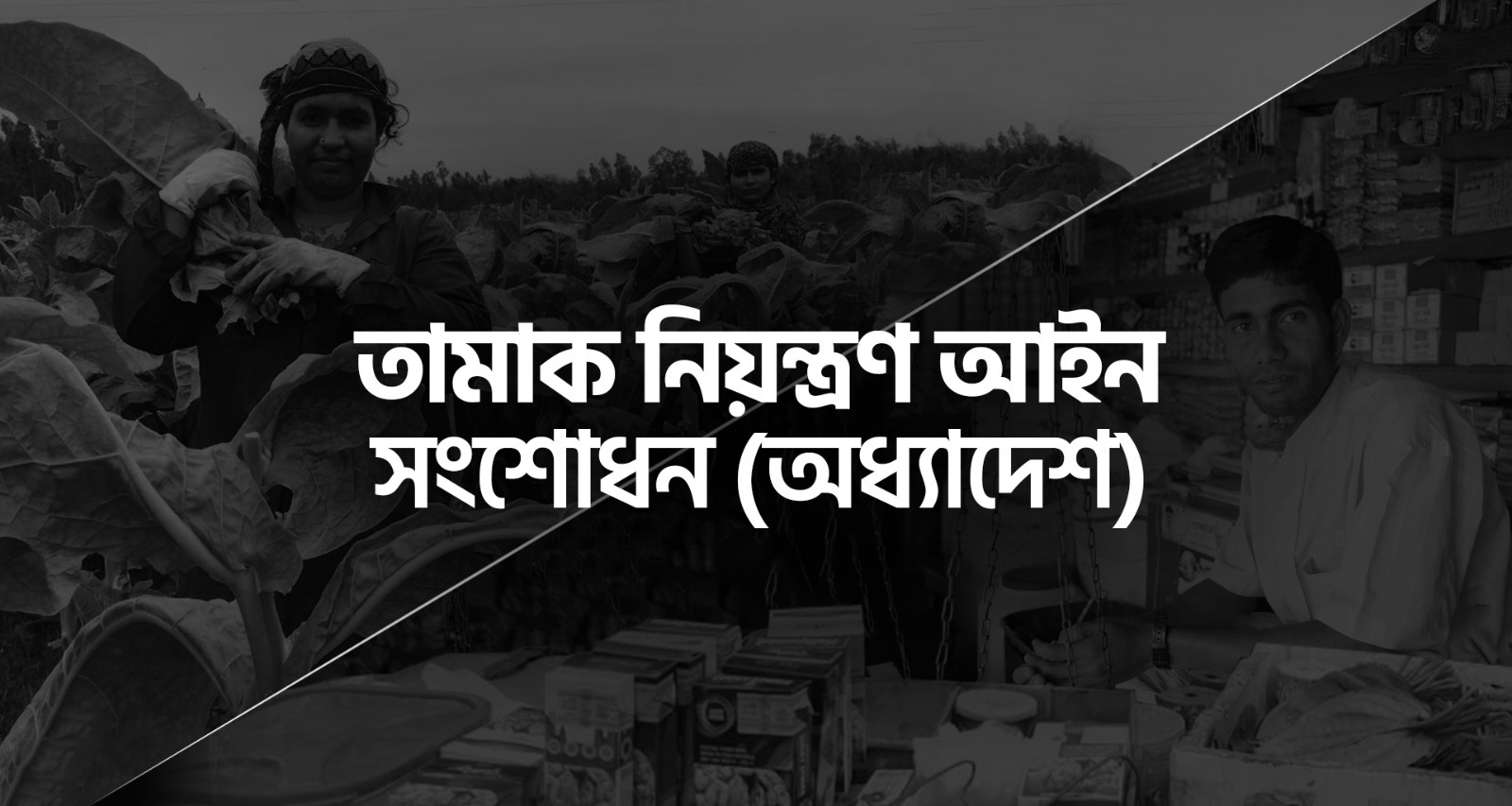
Staff Reporter : Tangail has expressed deep concern over some sections of the proposed Smoking and Tobacco Products Use (Control) (Amendment) Ordinance 2024. Tobacco farmers. According to them, if some of the proposals in the current draft of the amendment are implemented, the livelihood of thousands of farmers in Tangail associated with the tobacco sector will be severely affected. Therefore, they have urged the government to take steps to approve the draft ordinance based on discussions with all tobacco stakeholders.

Tobacco farmers from various upazilas of Tangail district said in a joint statement that although the High-Level Advisory Committee decided to organize a stakeholder dialogue in December last year on the amendment of the Tobacco Control Act, no formal discussion has taken place with the tobacco farmers of Tangail so far. However,
Tangail has long been known as one of the most important tobacco producing regions of the country. Numerous farmers in this region depend on tobacco farming to meet their family, education, medical and daily living expenses. Tobacco farming in Tangail is not just a crop, it is a livelihood system deeply linked to the rural economy of the region.

The statement was signed on behalf of tobacco farmers in Tangail district by Abdul Hai, Md. Abdul Khalek of Bhuapur upazila, Md. Fazal Ali of Kalihati upazila, and Mizanur Rahman of Tangail Sadar upazila, among others.

The statement said that the tobacco sector makes a significant contribution to the country’s economy. About $200 million worth of tobacco is exported annually, which plays an important role in earning the government’s revenue and foreign exchange. According to the farmers, if any law is enacted without considering the stakeholders associated with the sector, it can have a direct negative impact on the national economy.
According to the farmers, some of the clauses of the proposed draft are not at all consistent with reality. In particular, the proposal to ban essential ingredients in tobacco products will create complications in the production and supply system.
As a result, the legal market may shrink and illegal cigarettes and tobacco products may expand, which will threaten the existence of tobacco cultivation and business in addition to the government’s revenue loss. Which will directly impact tobacco farmers . Moreover, according to the proposal, banning retail sales and making licenses mandatory for retailers could create a major crisis for the marginalized population of the Tangail region.
A large number of small retailers in this region earn a living by selling tobacco products along with daily necessities.
Farmers in Tangail region have said that they are in favor of enacting an effective and realistic tobacco control law. However, that law must be enacted taking into account the socio-economic reality of the country and the living conditions of millions of traders, retailers and marginal farmers across the country.
If the opinions of farmers are properly considered through constructive stakeholder dialogue with the government, a balanced, realistic and acceptable law can be enacted. Therefore, tobacco farmers in Tangail have demanded that the government ensure the opportunity for their representatives to participate in the subsequent discussions related to the law.