
Staff Reporter : Nobody thinks about them. No one visits them except during elections once every five years. Nobody listens to their stories of hardship or tells them, as a loved one would, “I am one of you.” This is how the vast

marginalised population of Bangladesh lives – neglected and uncared for. No one stands by them in times of danger, sorrow, or distress. Yet they are the majority. They are the true owners of this country. They quietly grow crops to sustain us, enduring hardship to make our lives better. Our empathy for these neglected people surfaces only when we need them. In the 55 years since independence,
very few leaders have gone to them or listened to their concerns. Now, smiles have appeared on their faces. They have begun to dream again. They have found someone close to them, someone they can call their own – Tarique Rahman, the prime minister of Bangladesh.
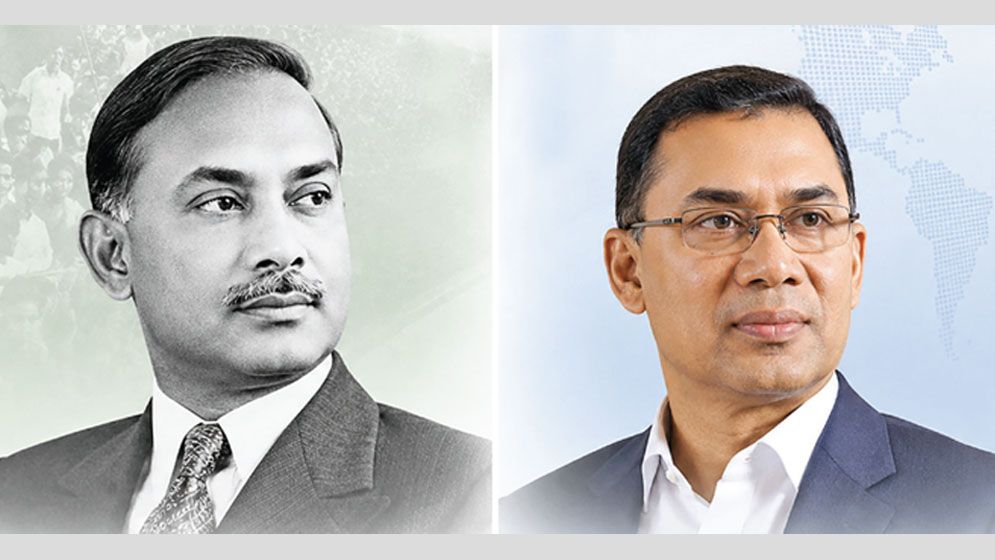
The contribution of this impoverished population to the independence of Bangladesh is immense. They sacrificed their lives to liberate the motherland, hoping that an independent nation would guarantee them human rights and dignity. However, since independence, they have often seemed like uninvited guests in their own country. The first ray of hope appeared in their lives when Shaheed President Ziaur Rahman assumed leadership of the nation. Zia broke free from the confines of capital-centric politics. He travelled from Teknaf to Tetulia.

He went to places where not even public representatives had ventured, let alone a head of state. Casting aside official protocol, he reached out directly to marginalised communities and listened to their concerns. Ziaur Rahman was the first statesman to create opportunities for the empowerment of Bangladesh’s marginalised population. After listening to their needs and aspirations, he took initiatives to address their problems.
President Ziaur Rahman did not confine politics to the cities; he sought to place rural Bangladesh at the centre of national politics. He recognised that the true strength of Bangladesh lay in its villages. Accordingly, he prioritised rural development, increased food production, expanded irrigation systems, promoted canal excavation, and strengthened local administration. Through the concept of Gram Sarkar (Village Government), efforts were made to improve development outcomes and administrative effectiveness at the local level.
During his tenure (1977-1981), Shaheed President Ziaur Rahman became particularly known for travelling extensively across rural Bangladesh and communicating directly with ordinary people. These tours were driven primarily by the objectives of utilising local resources and building a self-reliant Bangladesh.
Travelling throughout the country, Ziaur Rahman would personally launch canal-digging programmes with a spade in hand. In 1979, he initiated the Patli Canal excavation project, a major effort aimed at revitalising the rural economy. Rather than engaging solely in elite politics, he regularly visited villages and gave priority to the views of ordinary people in budgetary and policy decisions. He personally inspected projects aimed at improving rural roads, agricultural production, and irrigation systems.
Following the death of Shaheed Zia, the marginalised population of Bangladesh once again found itself neglected. The people of rural Bangladesh lost a close ally and trusted friend.
Exactly 45 years later, the marginalised people appear to have found such a figure once again. His name is Tarique Rahman. Following in his father’s footsteps, he has travelled from village to village, meeting people directly and listening to their concerns. He is bringing their voices closer to the centre of power. As a result, politics is changing and the voice of the grassroots is growing stronger.
It is not the case that he began engaging with marginalised communities only after becoming prime minister. Tarique Rahman entered politics with the goal of strengthening grassroots-based political participation. Between 2002 and 2006, he introduced a new political trend through the organisation of Grassroots Conventions at district and upazila levels. Moving beyond air-conditioned meeting rooms to engage directly with people in villages,
listening to farmers’ concerns, and prioritising local leadership helped transform the BNP from a leader-centric organisation into a more grassroots-oriented political party. It was during this period that the foundations of Tarique Rahman’s political philosophy were firmly established.
After former prime minister and BNP Chairperson Begum Khaleda Zia was imprisoned in 2018, Tarique Rahman began directing the party’s activities from London. Using modern communication technologies, including Skype and Zoom, he regularly held meetings with leaders at various levels across the country.
During this period, he paid particular attention to the views of frontline grassroots activists, often giving their opinions greater weight than those of senior leaders. As a result, he implemented numerous organisational decisions that revitalised the party at the grassroots level. The principal reason the BNP has remained strong despite enduring extensive repression over the past 17 years is Tarique Rahman’s grassroots-focused political approach.
After assuming responsibility for leading the country, Tarique Rahman has continued travelling across Bangladesh in the manner of his father, Shaheed Zia. Whenever his responsibilities of governance and parliamentary affairs allow, he visits people in the most remote and neglected communities. He listens to them and seeks solutions to their problems.
From Cox’s Bazar to Thakurgaon, and from Thakurgaon to Chandpur, Prime Minister Tarique Rahman has become close kin of people living in neglected regions. Like Shaheed Zia, he has recognised that if the villages thrive, Bangladesh will thrive. The future development of Bangladesh depends upon the development of its marginalised people. After a long 45 years, the grassroots has found someone it can once again call its own.